


Ibaraki Plant (IP)

Production of high-pressure hoses, sealing materials
Total site area152,000m2
Number of employees236 (as of the end of December 2024)
Location1 Hatori-Nishi, Omitama City, Ibaraki 319-0198, JAPAN
Contact for consultation and complaintsMakoto Kurihara, Plant Management Division
Tel: +81-299-46-1111
Fax: +81-299-46-0235
E-mail: makoto.kurihara@y-yokohama.com
Message from the General Manager
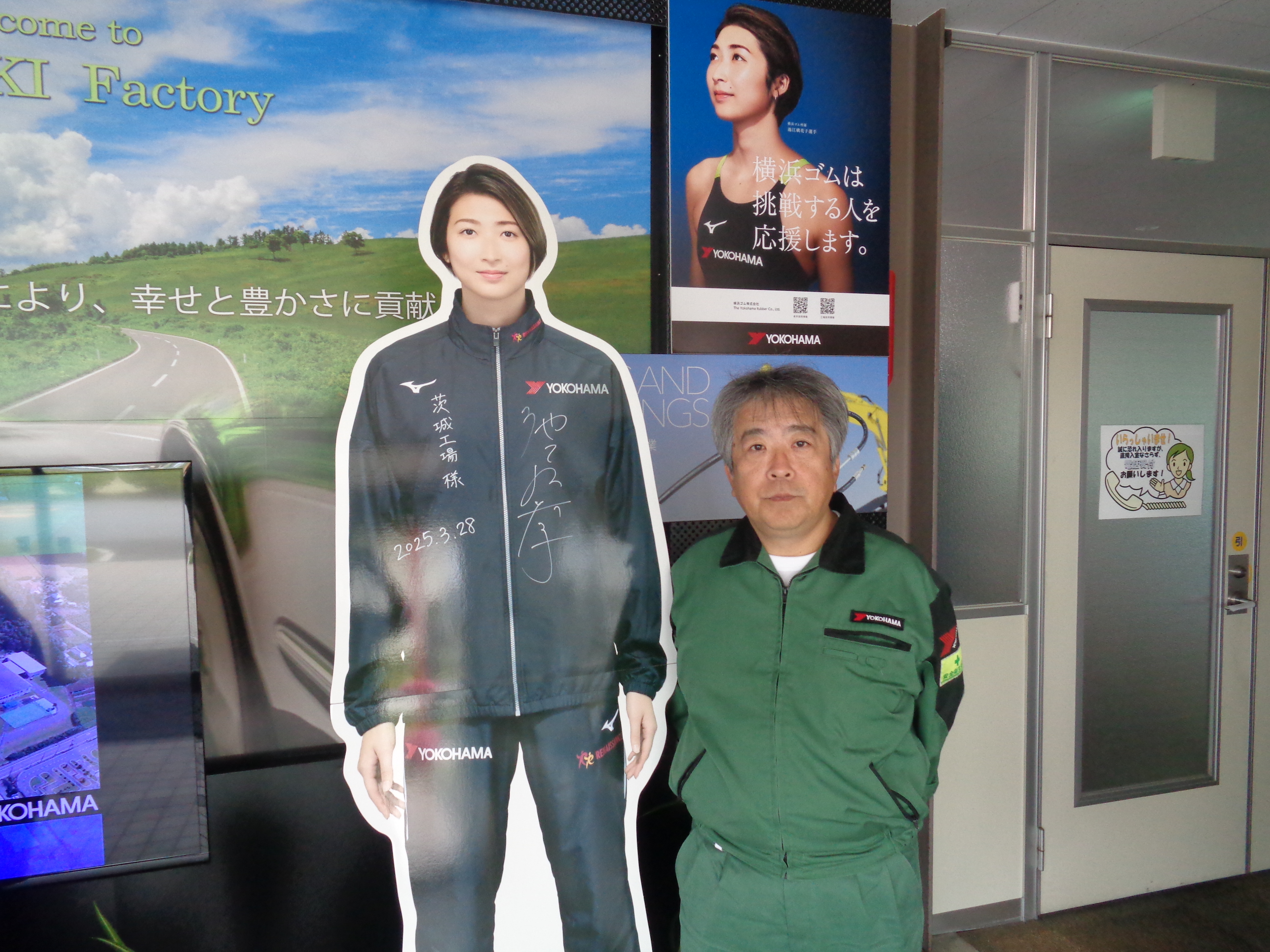
Atsushi Yamada
The Ibaraki Plant began operations in 1974, followed by the construction of a second plant in 2001 and a third plant in 2009, and has continued to this day as a plant for the production of high and low pressure hoses for hydraulic and automotive piping applications.
We are committed to becoming a top-level environmentally friendly company that embodies "Caring for the Future" for the sake of the global environment, based on our management policy of "valuing fairness to society and harmony with the environment".
In addition, we are promoting various activities to harmonize and integrate with the rich natural environment of Ibaraki, and to contribute to the local community and society in order to achieve this symbiosis, in addition to our environmental policy.
The company has achieved significant results in reducing industrial waste through intensified team improvement activities focused on reducing in-process defects and by improving material and equipment management levels. In energy conservation efforts, the company actively promotes a whole-company approach, including updates to energy-efficient machinery and equipment, increased energy-saving awareness, and paperless initiatives. These efforts have been recognized with the company maintaining the highest AAA ranking in the Eco Business Office Registration System implemented by the prefecture.
Furthermore, the planting of trees at the plant, which began in 2008, was completed in 2012, we continue to grow seedlings. We donate these saplings to both local and outside organizations for their tree-planting events.
As part of our biodiversity activities started in 2013, we have conducted bird watching, insect watching, and vegetation surveys inside the plant, as well as water quality and aquatic life surveys of the Sonobe River at the outlet of plant effluent three times a year to investigate the impact of the plant effluent on nature. Although we have recently suspended large-scale activities due to the impact of COVID-19, we have been publicizing these activities to the local community in order to improve communication.
Our biodiversity conservation efforts have been recognized, and in 2019, we were certified as a "Biodiversity-Friendly Business Site®" by ABINC. In 2023, we received the ABINC Excellence Award (Factory Edition). Furthermore, in October of the same year, we were designated as a Nature Co-existence Site by the Ministry of the Environment. The Ibaraki Plant will continue to strengthen its environmental management system and promote environmental contribution initiatives and environmental trouble prevention activities with the participation of all employees.
Organizational Governance
Decision-making processes and structures
The following three items have been established with respect to the structuring of the plant’s safety culture:
- Greet your guests properly
- Keep your appearance neat and tidy
- Be sure to point and call properly
With respect to the plant’s safety, environment and quality policies, such are established in accordance with corporate policy. Concerning their orientation, such is decided through the meetings system.
Human Rights
Consideration of human rights by suppliers
The training session was held online in August 2024 and covered the following eight topics: 1) "Mid-Term Management Plan (YX2026)," 2) "Review of Materiality and Respect for Human Rights Initiatives," 3) "Carbon Neutrality Overview," 4) "CSR Procurement Guideline Revision," 5) "Compliance with Competition Law/Antimonopoly Law," 6) "Carbon Neutrality (SCOPE 3)," 7) "Information Security," and 8) "Risk Management."
Complaint resolution
There were no reports submitted to the Corporate Compliance Department, and no consultations requested.
Labor Practices
Creating a safe and healthy workplace environment
Based on the recognition that the basis of corporate activity is assuring the safety and health of both our employees and those of cooperating companies, Occupational Safety and Health Management System (OSHMS) certification in accordance with Japan Industrial Safety & Health Association (JISHA) standards was obtained, and safety and health management has been implemented. This was done as a means by which to realize a safe, comfortable, and healthy workplace.
As a future company-wide plan, we are considering a mid-term transition to ISO 45001 (Occupational Health and Safety Management System), and this plant will be preparing for the switchover in October 2025.
In addition, each section is conducting risk assessment and risk reduction activities for existing facilities. 12 risk level IV and V cases were addressed in FY2022.
Regarding Risk Level III, we implemented 98 countermeasures in fiscal year 2023 and 65 in fiscal year 2024. We will continue to implement countermeasures in 2025.
Circle activities
We reduce all kinds of losses such as reduction of equipment breakdowns, quality defects, and improvement of workability. And, circle TPM improvement activities are being conducted to allow employees to make their own workplaces more comfortable and easier to work at. We are working to vitalize these activities through the holding of events including regular announcements on the results of improvements and bulletin board contests.
Human resources development and training
Work training is undertaken by our assignment of more senior workers to instruct both new hires and fixed-term employees. This one-on-one training increases individual skill levels because training results can be reviewed and revisited.
In addition, veteran employees systematically provide guidance on employee skills to ensure that product manufacturing skills are passed down from generation to generation.
Promotion of employment of people with disabilities
To promote employment opportunities, we visited a nearby special needs school to share information and hosted a work experience placement for one student in June.
Work-life balance
Two days a week, Wednesdays and Fridays, have been established as days with specified hours for leaving work.
The Environment
Environmental data
Reductions in greenhouse gas emissions
Greenhouse gas emissions
Greenhouse gas emissions have been gradually decreasing since fiscal 2010.
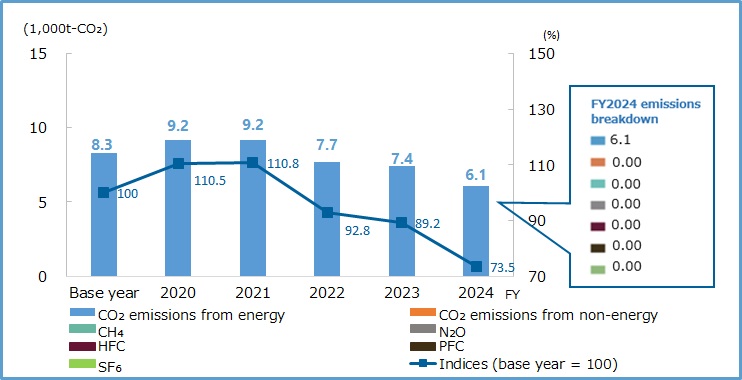
- The base year is defined as 1990 except for HFC, PFC and SF6, where the base year is 1995 as per the Kyoto Protocol.
- Method of calculation of greenhouse gases (GHG): this is in compliance with the “Calculation and Reporting Manual for Greenhouse Gas Emissions” issued by the Ministry of the Environment and the Ministry of Economy, Trade and Industry.
Note that GHG emissions associated with purchased power in FY2009 were calculated using the Table of Emission Coefficients by Power Company (Ministry of the Environment).
Effective use of resources / Reduction of waste
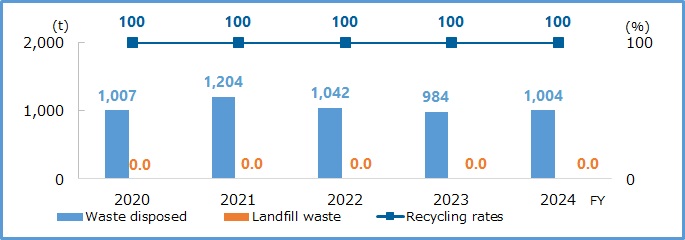
Waste output
From fiscal 2006, we have continued complete zero emissions.
Waste landfill
In fiscal 2007, we achieved a recycling rate of 100% and we have maintained that rate since.
Water usage
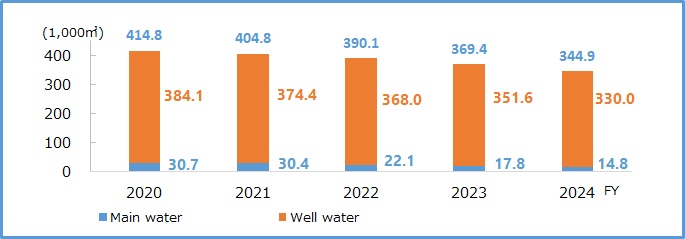
The plant uses 400,000 tons of water a year.
Sources consist of underground water of about 90% and city waterworks of 10%.
Measures for discharge into water, air and soil
Data related to water contamination
The plant discharges about 430,000 tons of wastewater a year into the Sonobe River.
Move the screen to the left or right to see the table information
| Item | Regulatory values | Voluntary standard values | FY2024 result | ||
|---|---|---|---|---|---|
| Average | Maximum | Minimum | |||
| pH | 5.8~8.6 | 6.7~8.2 | 7.7 | 8.2 | 7.2 |
| BOD concentration (mg/l) | 10 | 6.5 | 1.8 | 3.9 | 1.0 |
| COD concentration (mg/l) | 10 | 5.5 | 1.7 | 4.2 | 1.0 |
| SS concentration (mg/l) | 15 | 5.0 | less than 1 | less than 1 | less than 1 |
| Mineral oil concentration (mg/l) | 3.0 | 0.8 | 0.5 | 0.5 | 0.4 |
- Ibaraki Prefectural Ordinance and Environmental Protection Agreement with Omitama City
- Discharge point: Sonobe River
Soil contamination
We conduct groundwater analysis (shallow well) once a year and confirmed that the standard values were within the laws and the ordinances of Omitama City.
Air pollutants (NOx, SOx)
Measurements are conducted twice a year, and we have confirmed that the results are within the standards set out in all laws and in Omitama City Ordinances.
Move the screen to the left or right to see the table information
| Substance | NOx | SOx |
|---|---|---|
| Amount of emission (t/year) | 2 | 0.3 |
| Facility | Item | Regulatory values | Voluntary standard values | FY2024 result | ||
|---|---|---|---|---|---|---|
| Average | Maximum | Minimum | ||||
| Ibaraki Plant No.1-No.3 Boiler |
SOx emissions (K-value) NOx (ppm) Soot and dusts (g/m3N) |
17.5 260 0.3 |
10 or less 125 0.1 |
0.313 67.8 0.003 |
0.48 87.0 0.004 |
0.19 53.0 0.002 |
- The Air Pollution Control Act and Environmental Protection Agreement with Omitama City.
Reporting on chemical substance management status (Pollutant Release and Transfer Register (PRTR) Law compliance)
The Ibaraki Plant verifies whether secondary materials and auxiliary materials contain chemical substances subject to Safety Data Sheet (SDS) requirements, and in the case of substances where the amounts handled exceed the thresholds specified by the PRTR Law, annual reports are submitted to the national (or prefectural) authorities and safety impact assessment is performed.
Regarding the handling of substances pursuant to the PRTR Law, please refer to the Safety Evaluation Table of Domestic Production Bases.
Noise reduction
Noises are measured at 15 places on the border of the plant premises once a month. We can confirm that the results are within the standards set out in Omitama City Ordinances (below 55db).
Preventing pollution
So as to prevent risks to the environment, once a year we conduct drills and tests in response to predicted emergency scenarios (such scenarios include oil leaks occurring from heavy oil storage tanks and solvent cans being upset during transportation, etc.).
Industrial Waste Reduction Initiatives
To reduce industrial waste, we promote activities to reduce product and semi-finished product scraps and waste separation mainly by each process manager. We are working to reduce the amount of waste by recycling waste plastic generated during the manufacturing process and reusing some of the waste secondary materials as packaging materials.
Alleviating and responding to climate change
As energy saving activities, we are promoting the use of LED lighting, improvement of air conditioning efficiency by adopting MiRACLE coils, and horizontal deployment of heat insulation and heat retention.
We also conduct energy conservation patrols every month and continue to make repairs mainly to air, steam, and water leakage points.
During Energy Saving Month activities, all employees participated in energy saving promotion activities, making suggestions and improvements related to energy waste.
Environmental protection, and recovery of natural habitats
Concerning the Sonobe River into which discharges from this plant flow, biodiversity protection surveys have been conducted at a frequency of two times a year. During these surveys, we have monitored water quality, aquatic life, plants and birdlife, etc. We have also taken steps to eliminate certain species of introduced plant and aquatic life.
In addition, starting in 2019, we have organized a new "Survey on the Living Environment of the Grey-faced buzzard (Butastur indicus) " to survey the vegetation and small animals (amphibians and reptiles) in the plant, focusing on the Grey-faced buzzard, which is as a Vulnerable, as one of the indicators for environmental conservation.
With the cooperation of the Omitama Wildlife Society and the Wild Bird Society of Japan, Ibaraki Prefecture, we will continue to exterminate and monitor invasive alien species three times/year.
The company continued these activities, receiving recognition for its efforts with the ABINC Excellence Award in April 2023. In October of the same year, the company achieved the Natural Coexistence Site (OECM) certification, a first for the Yokohama Rubber Group.
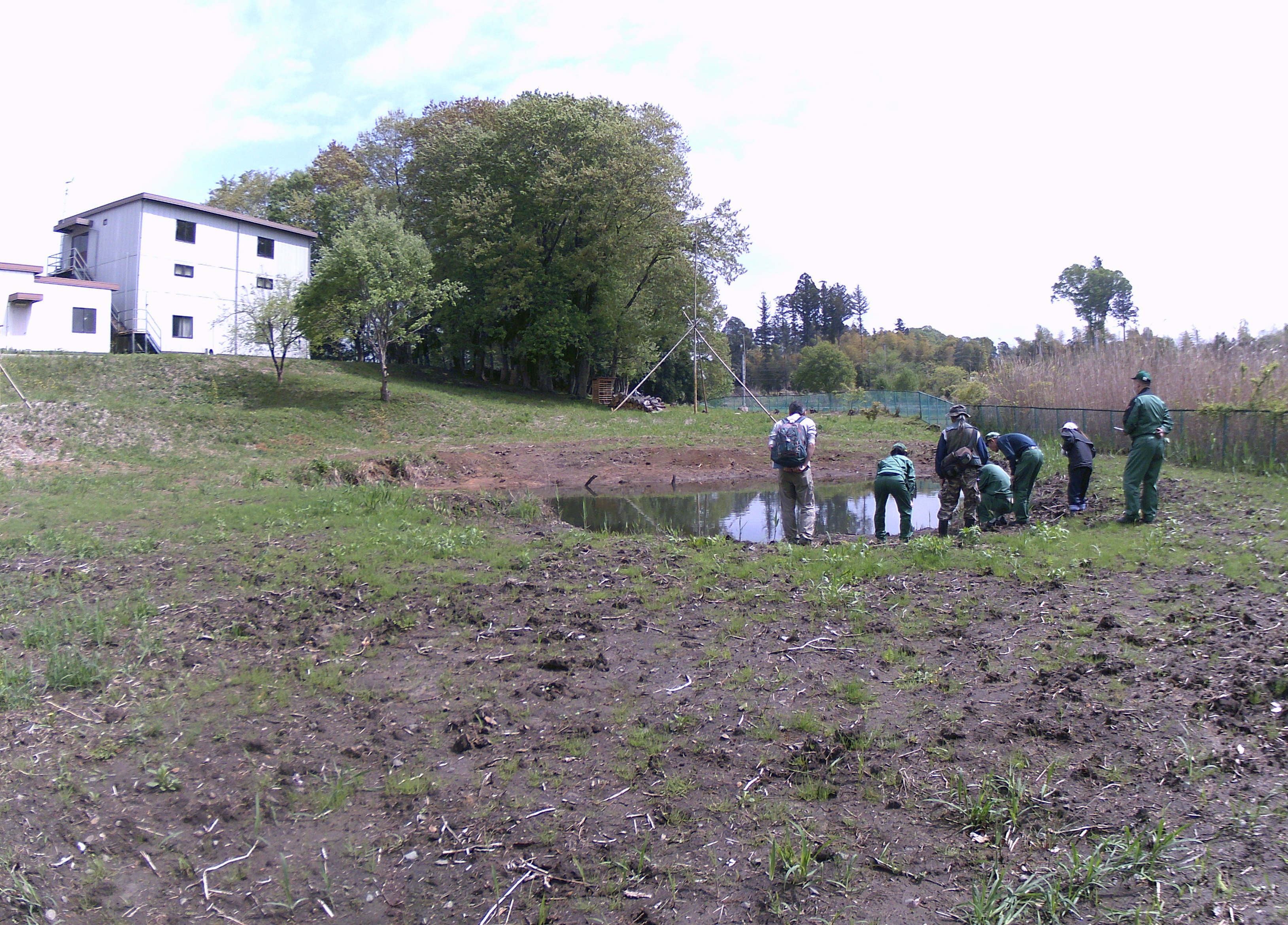
Conservation activities around biotopes
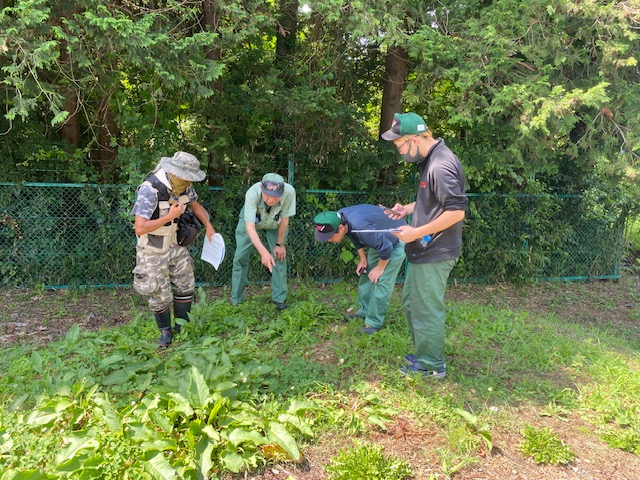
Small Animal Survey
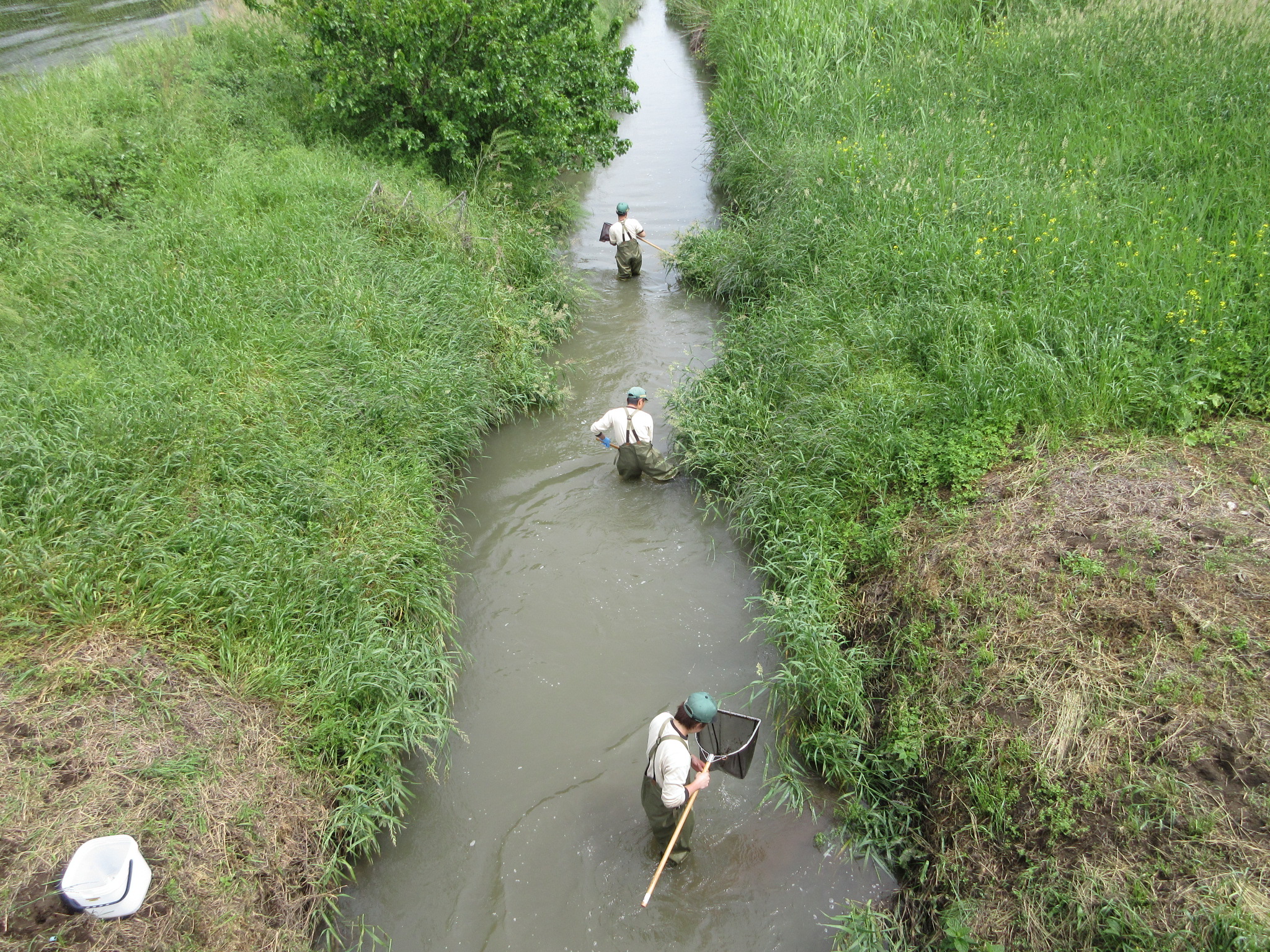
Aquatic organism survey
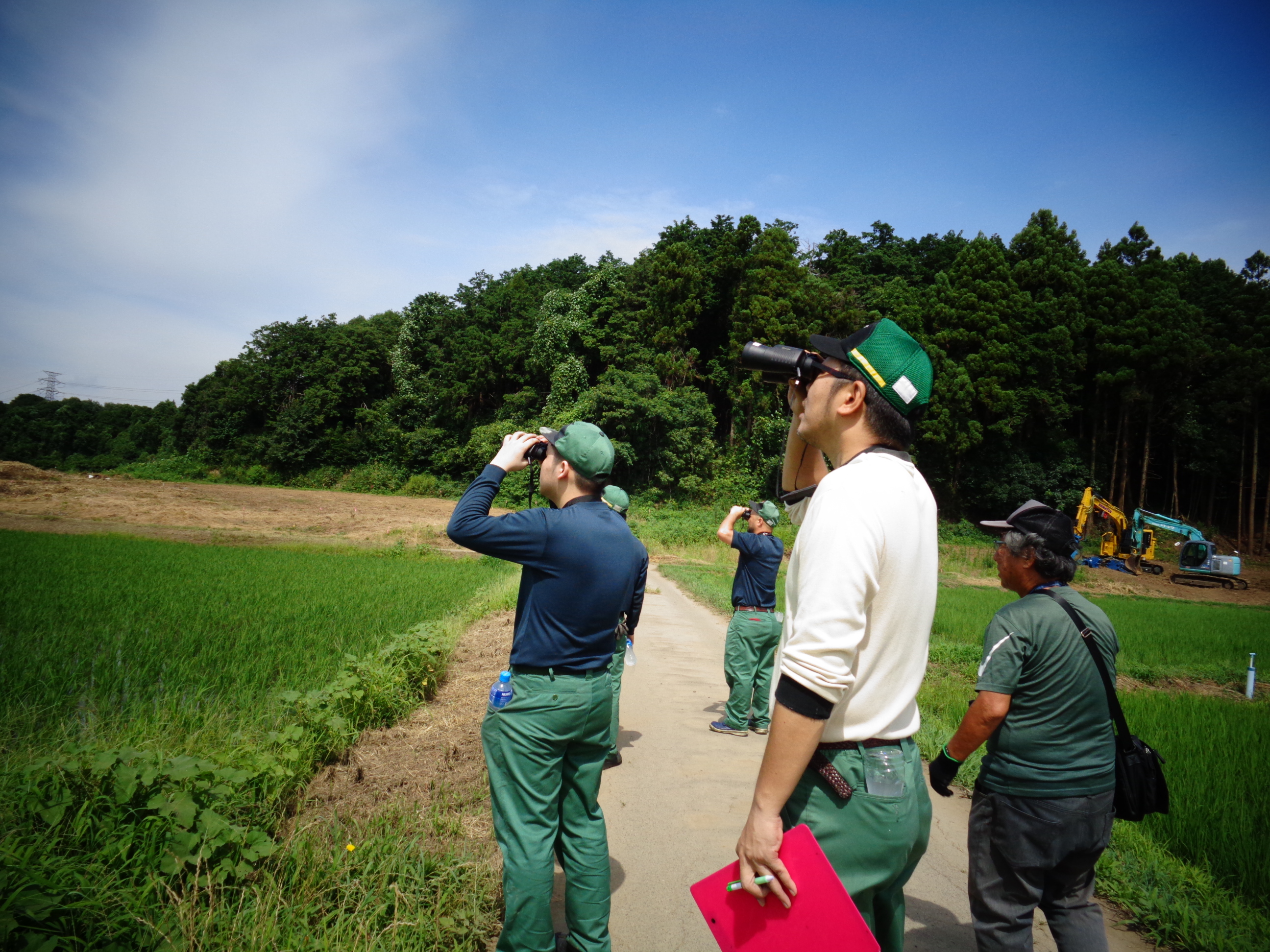
Bird survey(Sonobe River)
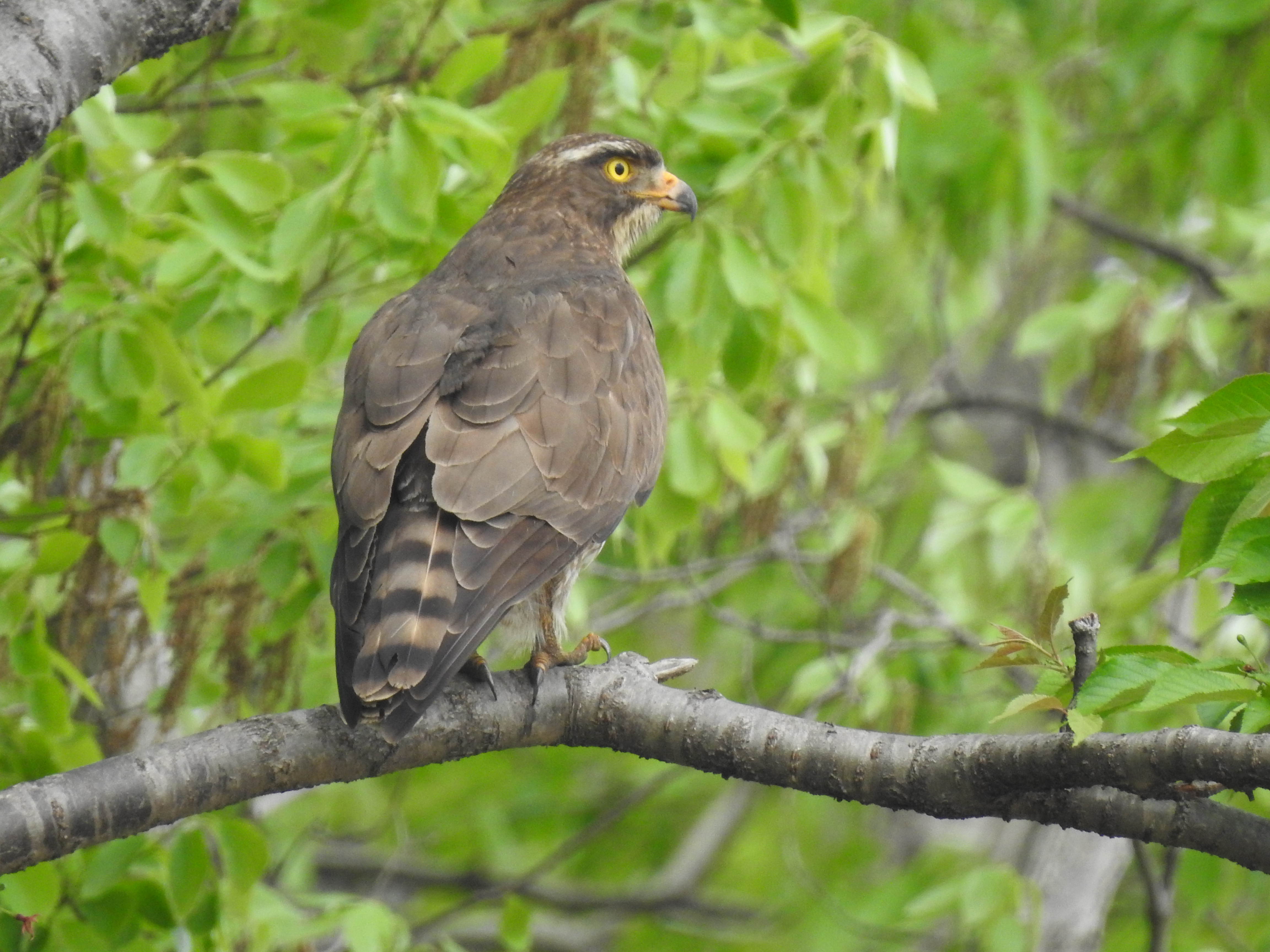
Sashiba (Butastur indicus) observed within the factory premises
Fair Operating Practices
Thorough statutory compliance
Submitted an internal audit under the Subcontract Act by the Materials Procurement Department. All contact staff participated in an online seminar on subcontracting transactions sponsored by the Ministry of Economy, Trade and Industry to deepen their awareness of legal requirements.
Consideration of supplier labor, safety and workplaces
Business dealings are conducted that are fair, transparent, openly competitive and suitable.
Thorough compliance
At the 2nd Procurement Division CSR Supplier Briefing, we covered the following topics: 1) "Mid-Term Management Plan (YX2026)," 2) "Review of Materiality and Respect for Human Rights Initiatives," 3) "Carbon Neutrality Overview," 4) "CSR Procurement Guideline Revision," 5) "Compliance with Competition Law/Antimonopoly Law," 6) "Carbon Neutrality (SCOPE 3)," 7) "Information Security," and 8) "Risk Management."
As education within the company, we hold compliance seminars at a frequency of once a month.
Consumer Issues
Responses to complaints
If any complaints are raised about products, we quickly collect the actual item and investigate the causes and prepare reports to make a response satisfactory to the customer.
Community Involvement and Development
Coexistence and shared prosperity with the local community
We had planned to hold a round-table discussion on biodiversity conservation activities, but due to the outbreak of COVID-19, we decided to postpone the meeting in the plant and distribute related materials.
Employment creation
In fiscal year 2024, we hired one new employee from a nearby high school.
The company is actively promoting employment opportunities for senior citizens in the local community. Currently, five individuals from the Silver Human Resources Center are working at the company.
Regional contributions
We donated a total of 117 tree seedlings to Silva, a non-profit organization, in April and November. These seedlings are being used for planting and replanting activities in the Shonan Village "Forest Wandering" project.
In December, we donated 82 tree seedlings free of charge to Sango Kanto Co., Ltd. for their tree planting event.
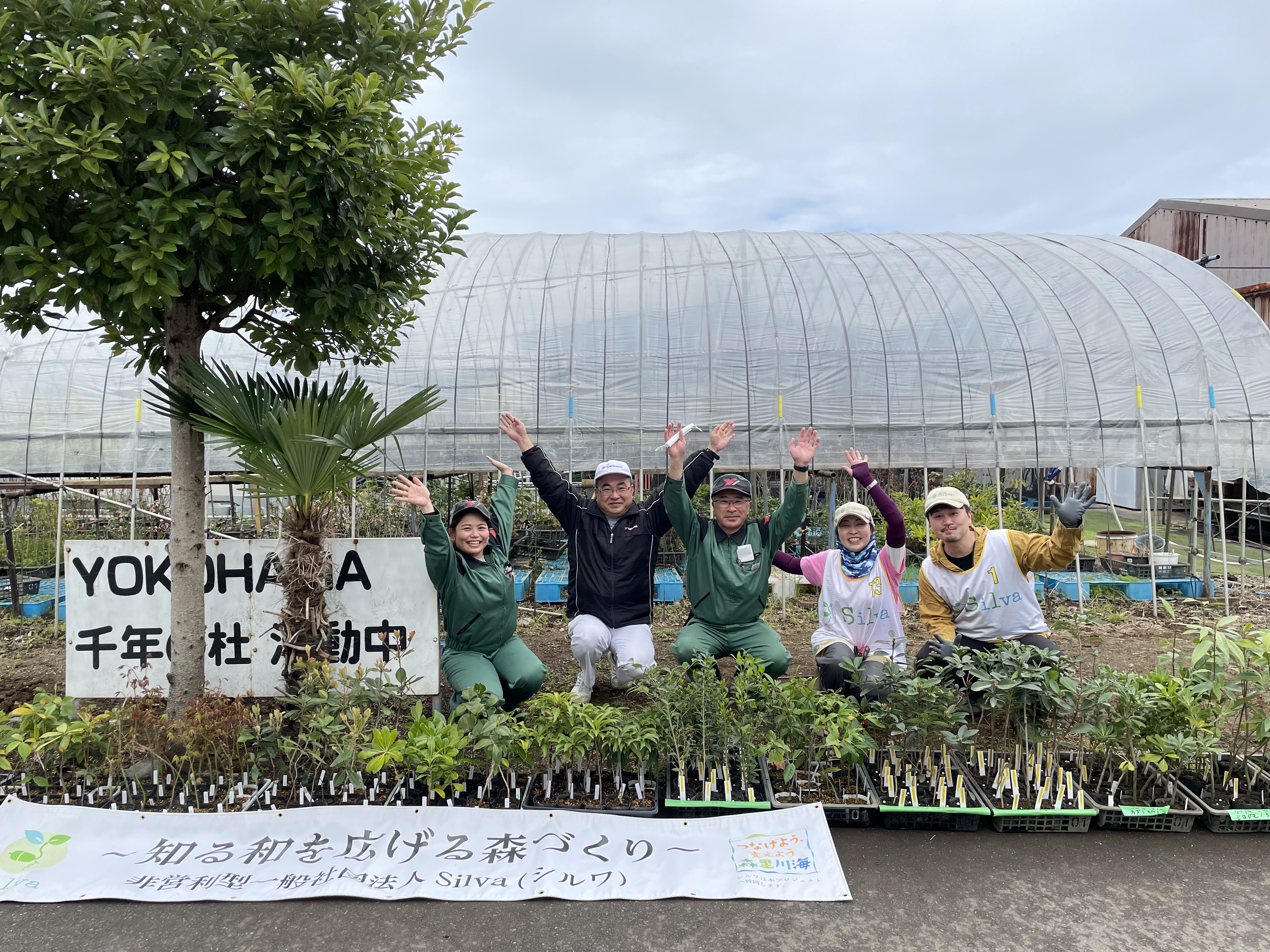
Seedlings donated to Silva, a non-profit general incorporated association
Discussion for local residents regarding our activities to help safeguard biodiversity
Although we had planned to hold a meeting with local residents to discuss biodiversity conservation activities, we decided to hold the meeting in writing, considering the safety of local residents as our first priority.
Relationship with local societies
As part of our efforts to foster close communication with local government authorities and local corporations, we attend the regular meetings of the local corporation association to exchange views and share information with the Mayor, local councilors and the managers of other local corporations. (Minori District Business Association General Meeting: February, 17 companies participated.)
Plant tours
In July 2024, we hosted a site visit for job seekers (high school students). We also accommodate social studies field trips for nearby elementary schools upon request.
